Retro Pixel Art Yellow Cat - Cute 8-Bit
There is something immediately endearing about a well-crafted pixel art cat. The Retro Pixel Art Yellow Cat - Cute 8-Bit captures that nostalgic warmth while offering modern creative utility. Whether you grew up playing 8-bit console games or simply appreciate clean, blocky aesthetics, this illustration delivers personality without complexity. It is not just a throwback; it is a versatile design asset that fits comfortably across print, digital, and merchandise projects.
What Makes This Yellow Cat Stand Out
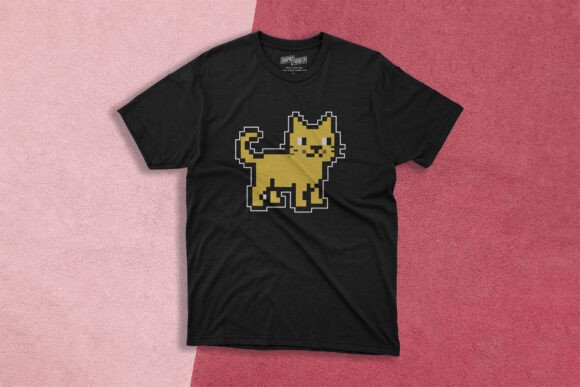
At first glance, the design reads as playful and straightforward. A bright yellow cat rendered in crisp square pixels, with enough detail to convey expression and movement without overworking the grid. The charm lies in its restraint. Each pixel is deliberate, and the limited color palette keeps the image punchy and reproducible across different mediums. This is not a hyper-realistic feline portrait; it is a stylized icon that feels both familiar and fresh.
The personality of the cat leans toward curious and cheeky. Slightly tilted ears, wide eyes, and a compact stance give it a friendly, approachable vibe. It works well as a standalone graphic or as part of a larger composition. Because the design uses solid blocks of color, it scales nicely from small icon sizes to large-format prints without losing legibility or visual impact.
For designers and crafters, this kind of asset fills a specific need: it provides immediate character without requiring hours of manual pixel mapping. You can drop it into a layout, pair it with a display font or a clean sans serif font, and have a cohesive retro look in minutes.
Where This 8-Bit Cat Belongs in Your Projects
This pixel art style is not limited to gaming-themed work, though it certainly excels there. Consider using the Retro Pixel Art Yellow Cat - Cute 8-Bit in these contexts:
- T-shirt and apparel design — The blocky shapes translate well to screen printing, where solid colors and clear edges keep production costs low and results sharp.
- Stickers and enamel pins — Small-scale products benefit from the simple geometry. The cat reads clearly at two inches across, making it ideal for merchandise that needs to pop at a glance.
- Social media graphics — Profile pictures, reaction icons, and post accents gain personality from pixel art. It stands out in feeds dominated by photography and smooth vector illustration.
- Packaging design — For brands targeting a nostalgic or indie audience, this style adds a handmade, game-inspired feel to boxes, bags, and hang tags.
- Web design elements — Use the cat as a 404 page mascot, a loading animation character, or a decorative header element. It brings warmth without distracting from content.
- Editorial design and zines — Small publications and indie magazines often use pixel art to reinforce a lo-fi, DIY aesthetic. This cat fits right into that visual language.
Whatever the medium, the key is to treat the pixel art as a purposeful stylistic choice rather than a novelty. When placed intentionally, it signals a playful brand identity and invites engagement from audiences who appreciate retro culture.
How Pixel Art Shapes Brand Perception and Audience Connection
Typography and imagery work together to build brand identity. A premium font paired with pixel art can feel contradictory if not handled carefully, but when the two complement each other, the result is memorable. The Retro Pixel Art Yellow Cat - Cute 8-Bit leans heavily into nostalgia, which can instantly lower guard and create positive associations. Adults in their twenties through fifties often have fond memories of early gaming, and seeing pixel art triggers a sense of comfort and fun.
From a branding perspective, this style communicates several things:
- Approachability — Hard edges and bright colors feel less formal than sleek gradients or realistic renderings.
- Authenticity — Pixel art has a handmade quality. It does not pretend to be polished in a corporate sense, which can make a brand feel more honest and grounded.
- Niche awareness — Using 8-bit aesthetics shows that you understand a specific subculture. This builds trust with audiences who identify as gamers, retro enthusiasts, or indie creatives.
Readability and visual hierarchy also benefit from the simplicity of pixel art. Because the cat uses distinct, unblended colors, it maintains contrast even on busy backgrounds. When used as a logo element or mascot, it becomes an anchor point that draws the eye without competing with surrounding text or graphics.
Consistency matters too. If you build a brand identity around pixel art, every piece of visual communication should reinforce that language. A single pixel cat on a website that otherwise uses modern typography and high-resolution photography might feel disjointed. But when you carry the aesthetic through to your logo design, social media graphics, and even your choice of creative font, the entire experience feels intentional.
Practical Guidance for Choosing and Using This Design
Before committing the Retro Pixel Art Yellow Cat - Cute 8-Bit to a project, take a few minutes to evaluate fit. Start with the medium. For screen printing, check that the pixel grid aligns with your print size and that thin lines or small details will hold up during production. For digital use, test the image at various resolutions to ensure it does not become blurry or distorted when scaled.
Consider font pairing carefully. Pixel art pairs well with monospaced typefaces, handwritten font options that feel organic, or clean serif font choices that contrast the blocky imagery. Avoid pairing it with overly ornate script font styles, as the clash in texture can feel chaotic. A simple rule: let the pixel art be the most decorative element, and keep your typography clean and legible.
Review the included files and licensing before using the asset commercially. Many pixel art graphics come with standard royalty-free licenses covering personal and small business use. If you plan to mass-produce merchandise or use the design in a large-scale campaign, confirm that your usage falls within the allowed scope. Purchasing a commercial font or asset license gives you peace of mind and avoids legal headaches later.
Readability is rarely an issue with this style because the cat is a graphic, not a typeface. But if you intend to overlay text on the image, choose a placement that does not obscure the face or silhouette. The cat's expression is its strongest selling point; hiding it under a headline wastes that emotional connection.
Test the design in context before finalizing. Print a mockup, preview it on a mock website, or share a proof with a colleague. Pixel art can look different on screen versus in print, especially if your printer handles color shifts unexpectedly. Ordering a test shirt or sticker sample is inexpensive and saves you from producing a batch of merchandise that does not match your vision.
Real-World Examples and Observations
I have seen this specific style of pixel cat used effectively in several contexts. One indie game studio placed the cat on their merchandise store as a limited-edition pin design. The simple shapes made production fast, and the character became a small emblem of the studio's brand. Customers recognized the cat from the developer's social media avatars and felt a connection to the studio's personality.
A craft shop on Etsy used a similar pixel cat as a repeat pattern on fabric. By adjusting the spacing and rotating the cat slightly, they created a playful all-over print that worked for tote bags and pillow covers. The repetition did not feel monotonous because the cat's expression carried each instance.
For a blog about retro gaming, the cat served as a consistent visual signature across post headers, email newsletters, and podcast cover art. Readers began associating that yellow pixel cat with the content, and it became a recognizable brand identity element. The creator did not need a complex logo; the cat did all the work.
If you are a content creator or small business owner, think about how a single, well-chosen design asset can streamline your visual toolkit. Instead of juggling multiple graphics, you can rely on one strong image and let it carry your brand's personality across platforms. The Retro Pixel Art Yellow Cat - Cute 8-Bit gives you that kind of mileage. It is specific enough to be memorable, simple enough to be versatile, and charming enough to invite engagement.
Treat it as a design asset that earns its place in your library. Use it intentionally, pair it with thoughtful typography, and let the nostalgia work for you rather than against you. The result will be a project that feels both personal and professional, with a clear visual voice that audiences will remember.